Best Smart Leak Sensor Placement for Washing Machines Upstairs
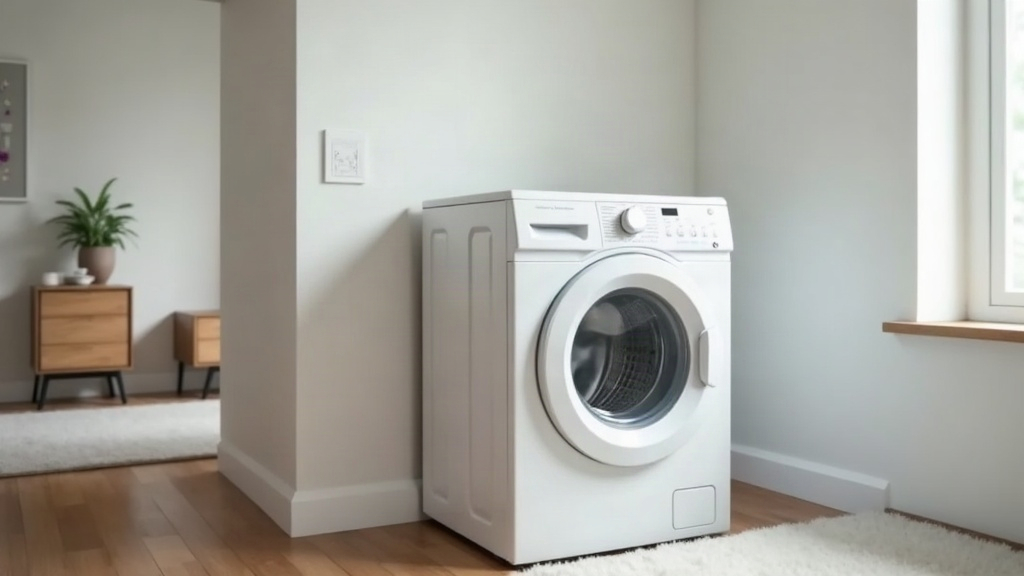
If your washing machine sits in a second-floor laundry closet, one bad hose or a missed overflow can punch straight through your ceiling and ruin the room below. The smartest sensor setup for this situation isn’t one unit, it’s three: one directly under the machine, one at the edge of the drain pan, and one near the water supply valves. Together they buy you the early warning that stands between a damp sock and a five-figure repair bill.
Why Second-Floor Laundry Closets Are Riskier
Downstairs, a leak usually just spreads across a slab or drips into a basement where the mess stays contained. Upstairs, gravity is working against you from the first drop. Water slips through subfloor seams, soaks into insulation, and creeps along drywall, often collecting in the ceiling cavity long before you notice a stain. By the time you do see it, the framing, insulation, and sometimes the wiring behind it are already soaked through.
In a typical washing machine closet, trouble tends to come from a few familiar places:
- Supply hose failures - standard rubber hoses can blow out with zero warning. Braided stainless ones hold up longer, but the fittings at either end are still a weak spot.
- Drain hose backup - a kinked hose or a clogged standpipe will send water right back out during the drain cycle.
- Door seal issues (front-loaders) - a worn gasket drips slowly and quietly, sometimes for weeks, before anyone catches it.
- Pan overflow - no floor drain in the closet? A cracked or overfilled catch pan dumps straight onto the floor.
Optimal Sensor Placement Strategy
1. Inside or Under the Catch Pan
If there’s a drain pan under the washer, lay a sensor flat against the pan floor at its lowest point (most pans have a slight slope, so check which corner that is). This is what catches the slow stuff: gasket drips, small leaks that would otherwise sit and evaporate unnoticed until the pan finally overflows.
2. At the Floor, Directly Behind the Machine
Nearly all the plumbing action, hose connections, drain lines, happens along the back wall. Put a second sensor on the floor right behind the washer, tucked as close to the wall as it’ll go. This is ground zero for a burst supply hose or a drain line that backs up.
3. Near the Shutoff Valves
Place or mount a sensor just below the hot and cold shutoff valves, especially if those valves are more than five years old. Corroded valves and loosened fittings are one of the sneakiest causes of slow, ongoing seepage, and they’re easy to overlook because nobody ever looks at a valve until it fails.
4. At the Closet Threshold
Got a raised threshold or a door sweep? Add a sensor just inside it. Think of this one as your last line of defense: if water has made it this far, it’s seconds away from spreading into the hallway.
Should You Use Rope/Cable Sensors or Point Sensors?
For this specific setup:
- Point sensors (the small puck-style units) work best under the pan and behind the machine. They’re compact, cheap, and easy to shift around if you rearrange anything.
- Rope/cable sensors are better suited to wrapping around the closet’s floor perimeter or running along a baseboard, since they catch leaks no matter exactly where they land.
- Mixing the two, one puck under the pan, one cable ringing the floor, gives you near-complete coverage, and you can usually pull this off for under $100 with most smart home systems.
Pairing Sensors With Automatic Shutoff
Here’s the catch: sensors only tell you something’s wrong. They don’t lift a finger to stop it. For a second-floor closet, that’s not good enough on its own. Pair your sensors with a smart shutoff valve on the washer’s supply lines (or the main house line, if you want broader protection). When a sensor trips, the valve shuts the water off automatically. That’s the part that actually matters when you’re at work, asleep, or three states away and can’t act on a phone notification in time.
Placement Mistakes to Avoid
- Putting one sensor on the pan rim and calling it done - anything that leaks along the floor outside the pan slips right past it.
- Mounting sensors too high - these things need to touch the floor or standing water to do their job. A sensor sitting on a shelf is decoration, not protection.
- Forgetting about the supply valve side - most people fixate on the drain and never think about a slow drip at the supply line.
- Not checking Wi-Fi range first - second-floor closets are often the farthest point from the router in the house. Test the signal from inside the closet before you commit, or grab a sensor that comes with its own hub or repeater.
Quick Placement Checklist
- Sensor 1: flat inside the drain pan, lowest point
- Sensor 2: floor behind the machine, near hoses
- Sensor 3: floor below the shutoff valves
- Sensor 4 (optional): closet threshold or doorway
- Confirm Wi-Fi/hub signal strength from inside the closet
- Pair with a smart shutoff valve for automatic response
Conclusion
A second-floor laundry closet can turn a minor leak into a ceiling-and-wall disaster faster than most people expect, which is exactly why sensor placement shouldn’t be an afterthought. Cover the pan, the hoses, the valves, and the threshold, and you’ve got layered detection that catches a problem at nearly every stage it could show up. Add an automatic shutoff valve into the mix, and you’re not just finding out about the leak, you’re actually stopping it before it spreads any further.