Smart Home Starter Setup for Renters With No-Neutral Switches
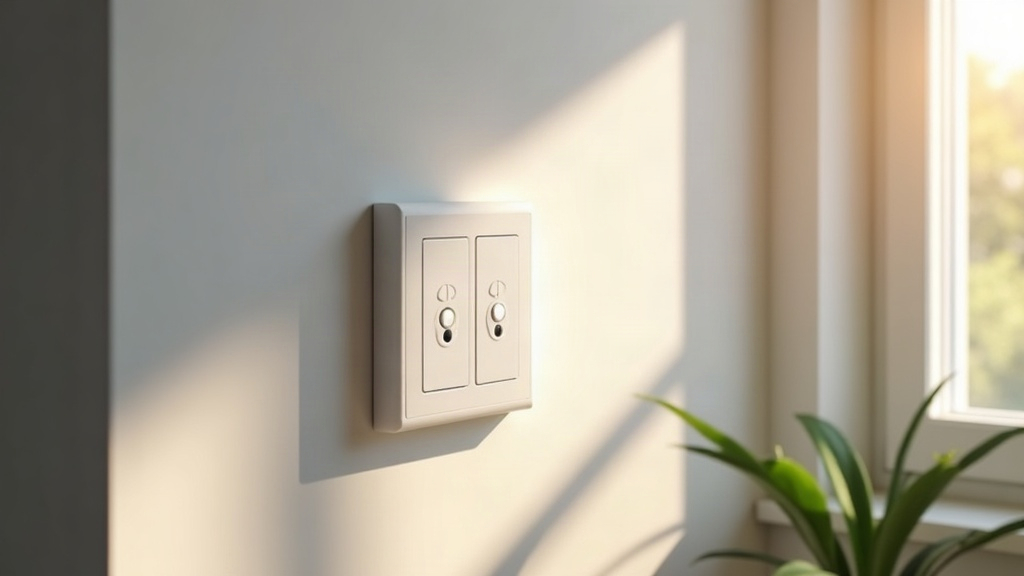
If you rent your place and just found out your light switches don’t have a neutral wire, don’t panic. You can still build a smart home that actually works, without touching a single wire. This guide covers a practical, lease-friendly setup using smart bulbs, battery-powered switches, and smart plugs. Zero electrical work. Zero trace when you move out.
Why No-Neutral Wiring Is a Problem (And Why It’s So Common in Rentals)
Most smart light switches need a neutral wire to pull continuous power. A lot of older buildings, especially pre-1980s construction that’s still common in rental units, only ran a hot wire and a switched-leg to the switch box. The neutral loops through the fixture instead. Without it, a standard smart switch (think a basic Lutron Caseta non-Pro or one of those cheap Wi-Fi switches from Amazon) just won’t power on. Sometimes it flickers. Sometimes it buzzes. Sometimes it fries itself trying.
Here’s the thing though: this is a wiring limitation, not a dead end. You just need a different kind of product.
Option 1: Smart Bulbs (Best for Most Renters)
Smart bulbs sidestep the whole switch problem because the intelligence sits in the bulb, not in the wall.
How it works:
- Keep the physical wall switch permanently flipped “on” (slap a cover guard on it or label it so your roommate doesn’t flip it off while looking for the bathroom light).
- Control the bulb through an app, a voice assistant, or a battery-powered smart button.
What to buy:
- Philips Hue White and Color A19 bulbs with a Hue Bridge, for the most reliable ecosystem
- Budget route: Wyze Bulb Color or Govee smart bulbs, no hub required, connects straight to Wi-Fi
- For enclosed fixtures, check the wattage and heat ratings first. Not every smart bulb is rated for a fully enclosed glass globe, and heat buildup can shorten their lifespan fast.
Downside: flip that wall switch off by accident (or a guest does), and the bulb loses power entirely. It “forgets” it’s smart until the power comes back on.
Option 2: Battery-Powered Smart Switches (No Wiring, No Bulb Swap)
Maybe you’ve got chandeliers, enclosed fixtures, or dimmable incandescents you don’t want to replace. In that case, a battery-operated smart switch cover does the job better than swapping bulbs.
- Switchbot Smart Switch Button Pusher: it literally presses your existing switch for you, controlled via app or automation. Works great on toggle or rocker switches.
- Philips Hue Dimmer Switch or Hue Smart Button: battery-powered, sticks on with adhesive, pairs directly to Hue bulbs with no wiring involved at all.
- Lutron Caseta Pico remote: pairs nicely with Caseta in-wall dimmers installed somewhere else in the house, or just works standalone next to your real switch.
All of these stick on with 3M tape, so peeling them off when you move is damage-free. No drywall patching, no landlord phone call.
Option 3: Smart Plugs for Lamps and Small Appliances
For lamps, string lights, or anything that plugs into an outlet rather than being hardwired, skip the switch issue entirely:
- Kasa Smart Plug Mini (TP-Link), cheap, reliable, works fine with Alexa or Google
- Amazon Smart Plug, integrates tightly with Alexa routines
- Great for bedside lamps, a living room floor lamp, or holiday string lights you forget to unplug every December
Building Your Starter Kit: A Sample Shopping List
- 2x Philips Hue White bulbs ($25 each) + Hue Bridge ($60), for the main living room and bedroom lights
- 1x Hue Smart Button ($25), mounted right next to the now-useless dead switch
- 2x Kasa Smart Plugs ($15 each), for lamps
- 1x Echo Dot or Google Nest Mini, for voice control and routines
Total starting budget: roughly $150-180 for a two-room smart lighting setup. Fully removable, fully rental-safe.
Setting Up Routines Without a Neutral Switch
Once your bulbs and plugs are sitting in one app (Hue app, Google Home, Alexa, whatever you prefer), build routines like:
- “Good Morning”, turns on the bedroom bulb at 50% warm white, 7 AM sharp
- “Leaving Home”, shuts off every smart plug and bulb using geofencing
- “Movie Time”, dims the living room bulbs to 20%, blue-toned light
These routines work exactly the same whether your switches have a neutral wire or not. Automation happens in the cloud or on the hub, never inside the wall.
Frequently Asked Questions
Will my landlord mind? No. Nothing here involves a permanent modification. Bulbs and plug-in devices come out as easily as they went in.
Can I upgrade to in-wall switches later? Sure, if you end up owning a place or your landlord gives the green light, products like the Lutron Caseta Pro or Leviton Decora Smart (the no-neutral models) can replace this whole setup directly.
What about smart switches that don’t need a neutral? A few do exist (Lutron Caseta’s standard line is actually no-neutral compatible), but they still need a licensed electrician and landlord approval. Not exactly a weekend fix if you’re renting.
Conclusion
A missing neutral wire doesn’t have to kill your smart home plans. Lean on smart bulbs, battery-powered switch covers, and smart plugs, and you can have a fully automated, voice-controlled lighting setup running by the end of the afternoon. No electrician, no rewiring, and nothing that puts your security deposit at risk.